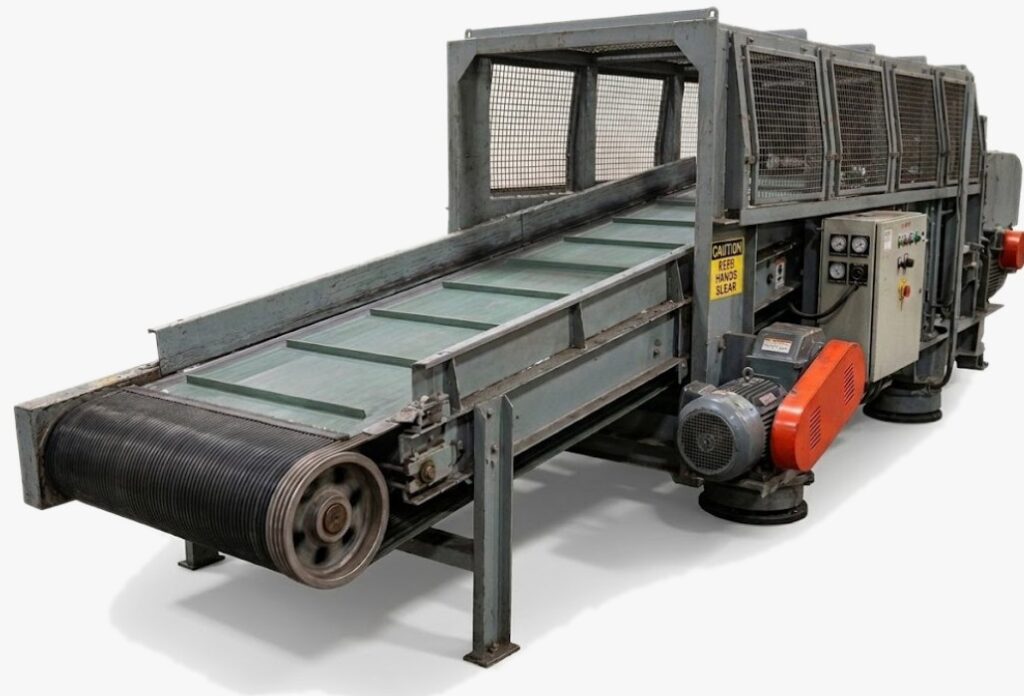
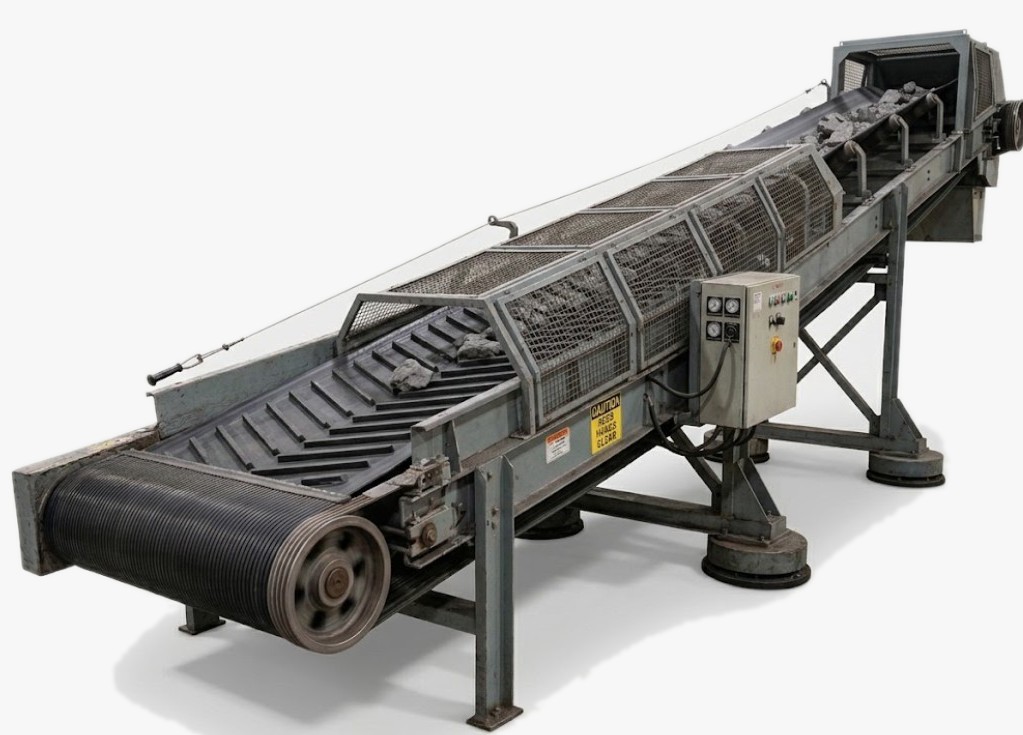
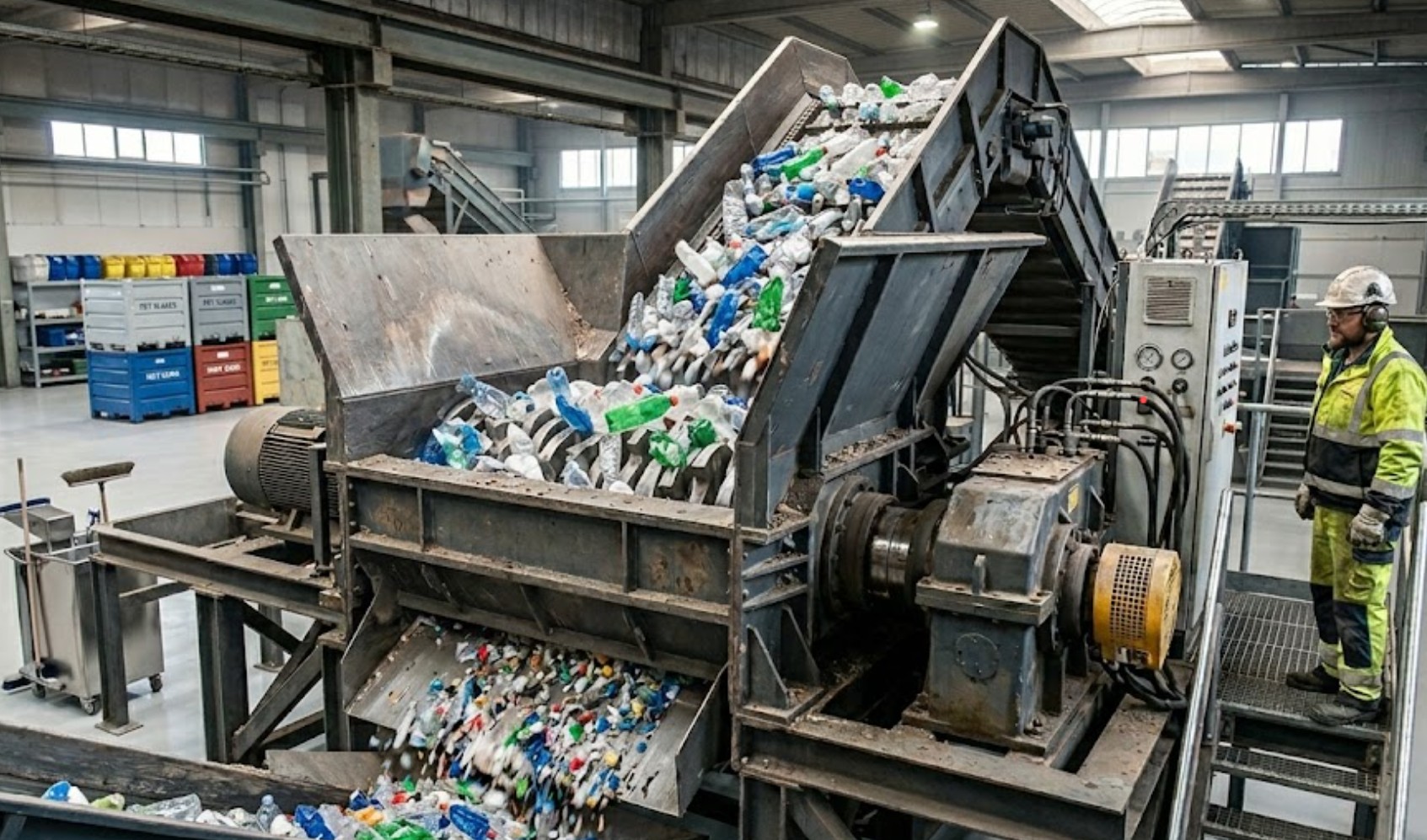
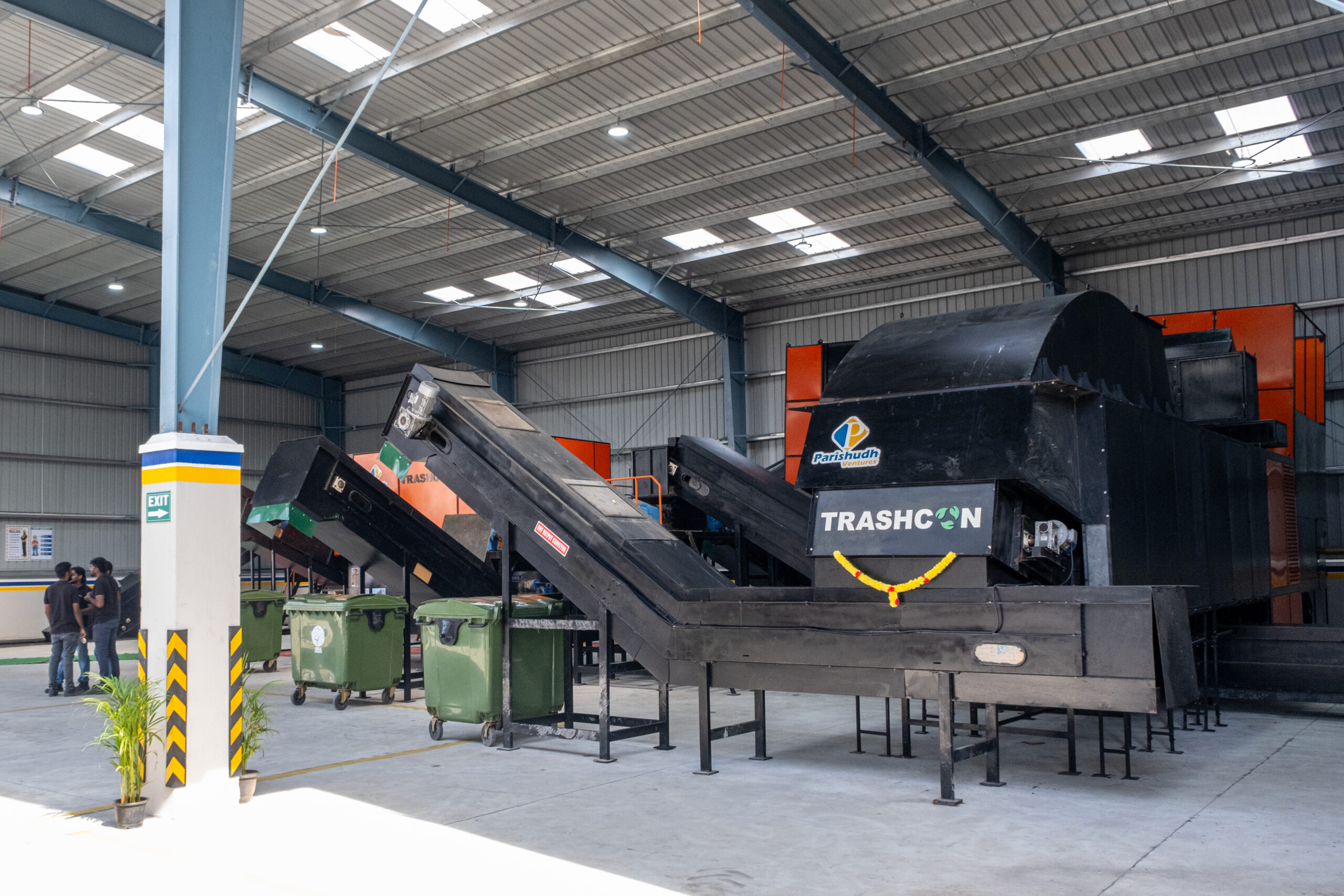
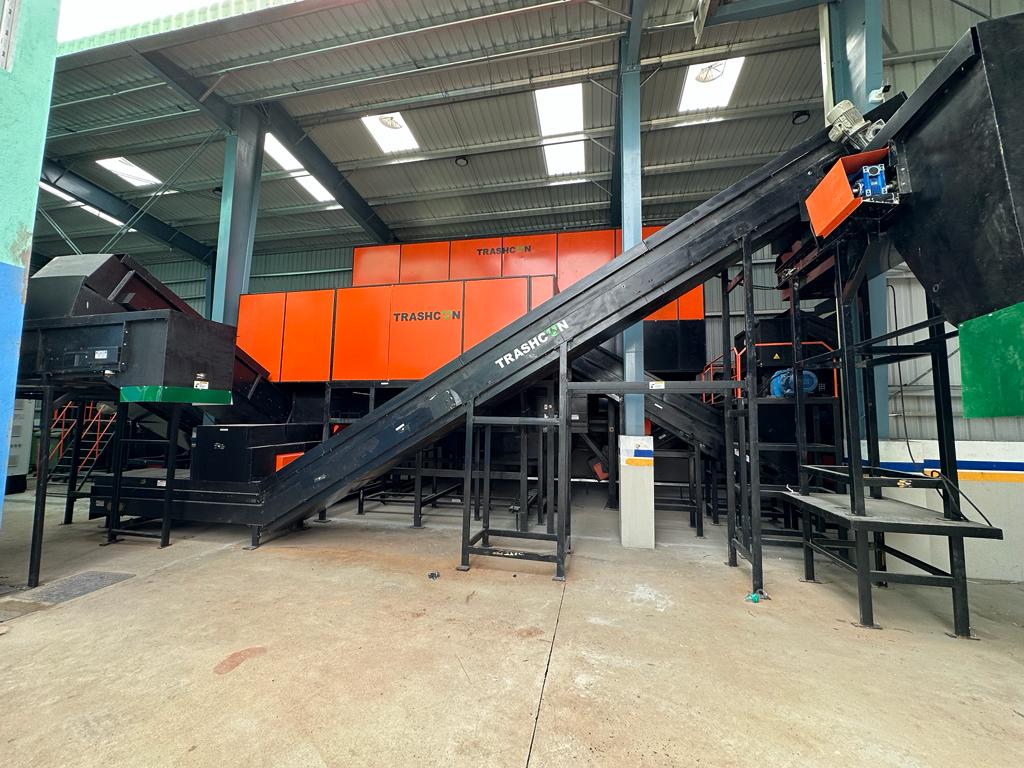
Belt Conveyors are designed for efficient and reliable material handling within waste processing, recycling, and industrial applications. Conveyors are customized based on material characteristics, throughput requirements, site layout, and operational conditions.
CAD SCHEMATICS
TECHNICAL SPECIFICATIONS
Parameter
Range
Belt Width
300 mm to 1500 mm
Conveyor Length
2 m – 100 m
Inclination
0° to 35°
Belt Speed
0.1 m/s to 2.5 m/s
NOTE: All equipment can be customized based on material characteristics, processing requirements, throughput capacity, site conditions, and customer specifications. Capacities and dimensions mentioned above are indicative and may vary depending on the application.
MATERIAL MATRIX
The Material Matrix is a critical component in waste processing and recycling facilities, designed to analyse, classify, and direct materials through the appropriate processing streams. By evaluating material characteristics such as size, composition, density, and recyclability, the system enables efficient sorting and resource recovery. A well-designed material matrix improves operational efficiency, reduces contamination, enhances product quality, and supports informed decision-making throughout the recycling process, ensuring maximum value is extracted from incoming waste streams.
Variants
Horizontal Conveyor
Designed for smooth and efficient transportation of materials across the same elevation within a processing facility.
Belt conveyors operate by moving materials along a continuous belt driven by motorised pulleys. Waste or recyclable materials are loaded onto the conveyor at designated feed points and transported efficiently through various stages of the processing line, such as sorting, screening, separation, or storage.
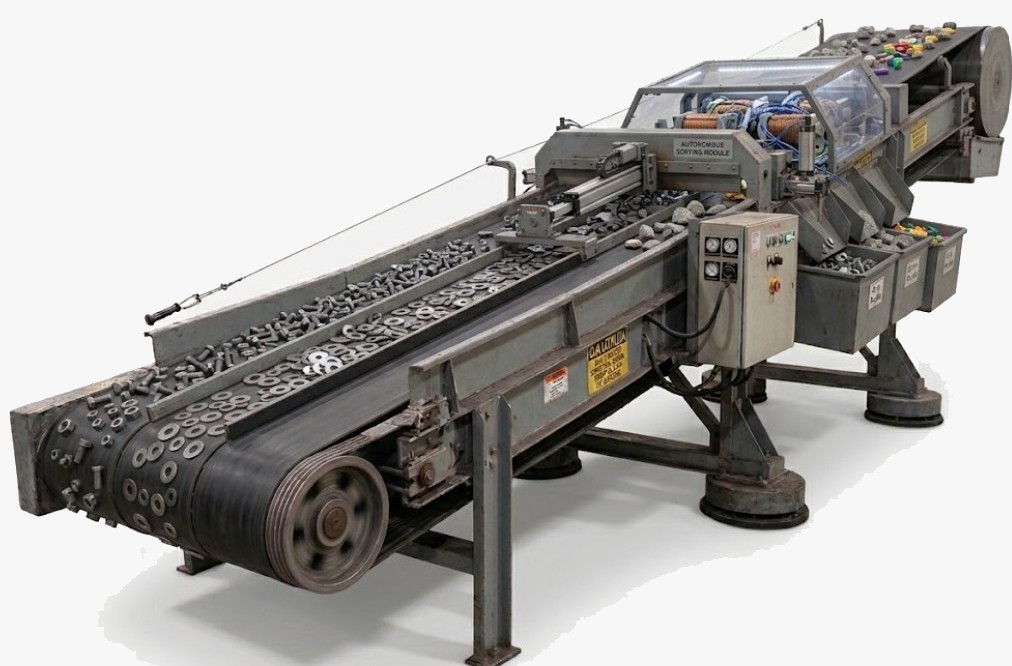
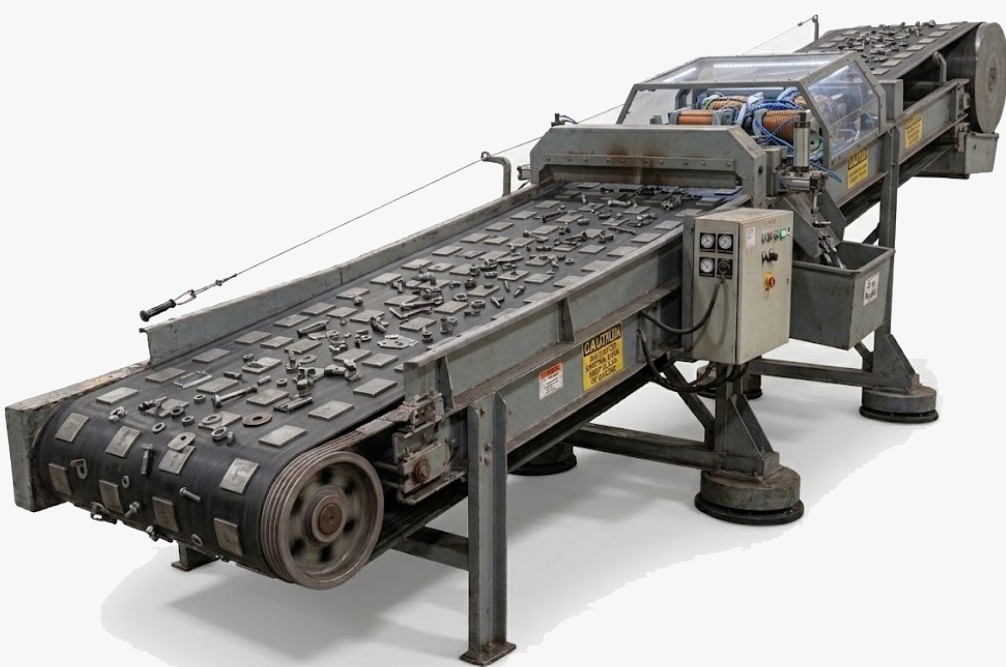
Depending on the application, conveyors can be configured horizontally, at an incline, or integrated with specialised systems such as magnetic separators and sorting stations. The conveyor speed, belt type, and overall design are customised to match material characteristics, throughput requirements, and facility layouts, ensuring safe, reliable, and efficient material handling throughout the operation.
Heavy-duty fabricated structure
PVC or Rubber belt options
Site-specific design and layout
Variable speed drive options
Dust covers and safety guards
Easy maintenance and belt replacement
Latest Installations
FAQs
What materials can be handled by belt conveyors?
Belt conveyors can transport a wide range of materials, including municipal solid waste, recyclables, plastics, paper, cardboard, metals, organic waste, aggregates, and industrial materials.
Can belt conveyors be customised for specific applications?
Yes. Conveyor systems can be tailored to suit material characteristics, throughput requirements, site constraints, belt widths, conveyor lengths, and operational conditions.
What is the difference between a horizontal and an inclined conveyor?
A horizontal conveyor moves materials across the same elevation, while an inclined conveyor is designed to transport materials between different heights within a facility.
How do magnetic conveyors improve recycling efficiency?
Magnetic conveyors use integrated magnets to automatically separate ferrous metals from mixed waste streams, improving material recovery rates and reducing manual sorting requirements.
What maintenance is required for belt conveyors?
Routine maintenance typically includes belt inspection, pulley and roller checks, tension adjustments, lubrication of moving parts, and regular cleaning to ensure reliable performance and maximise equipment lifespan.
Warranty & After-sales Support
TrashCon stands behind every machine with dedicated technical support and responsive after-sales service.
Our team provides installation assistance, commissioning support, maintenance guidance, and spare parts assistance to help maximise uptime and operational efficiency.
Please contact our team for warranty details specific to your application.